Portfolio Previews








Featured Series
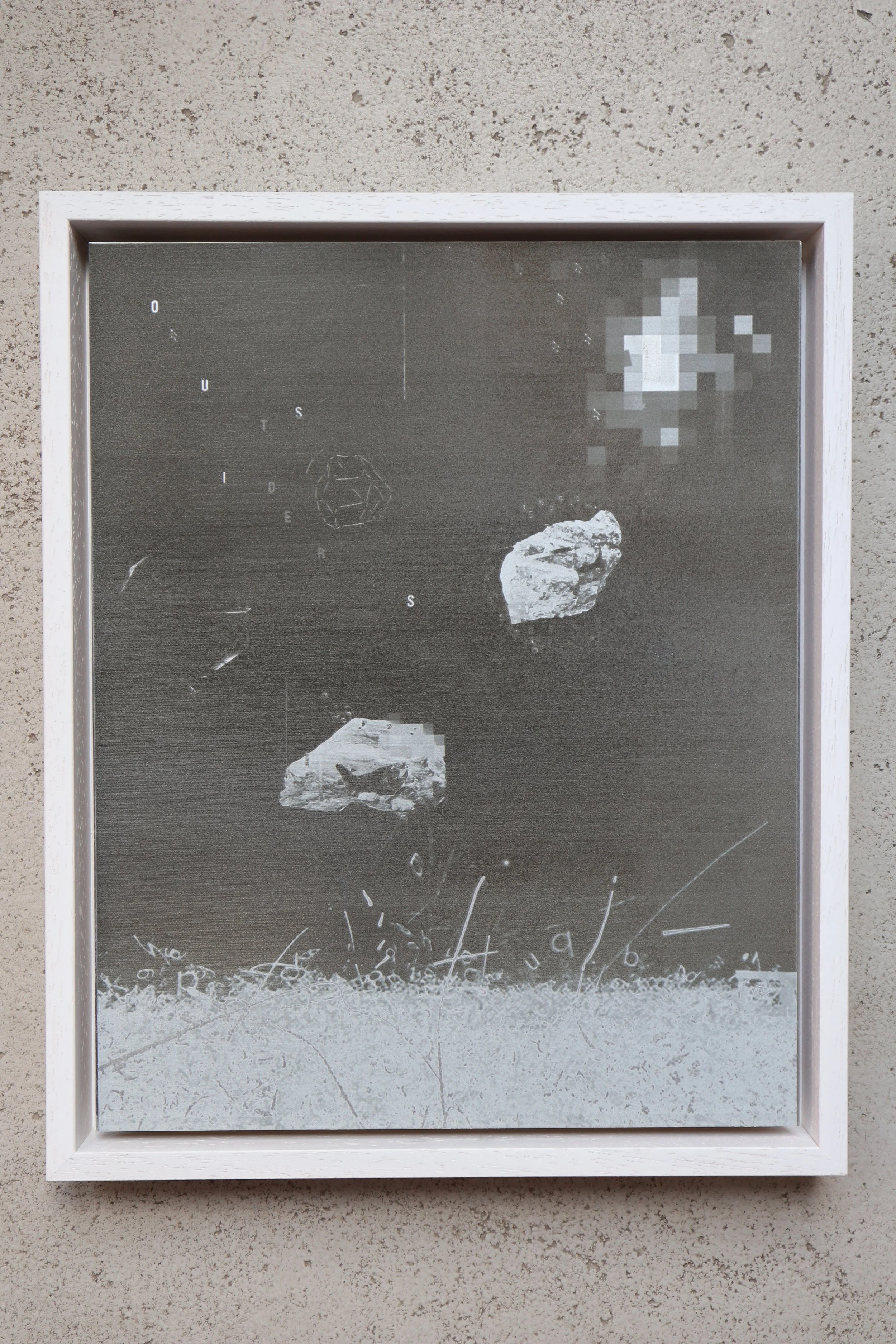
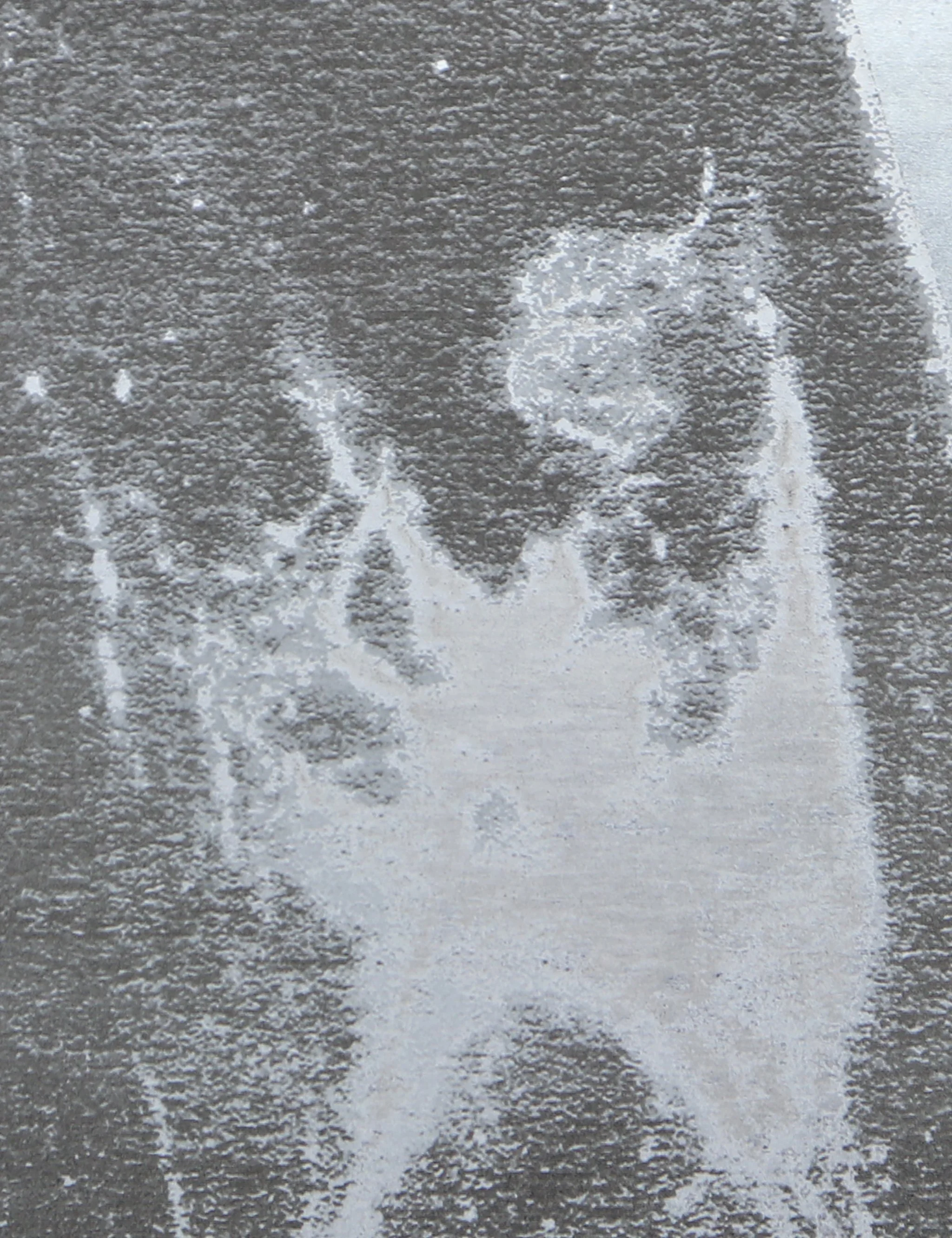
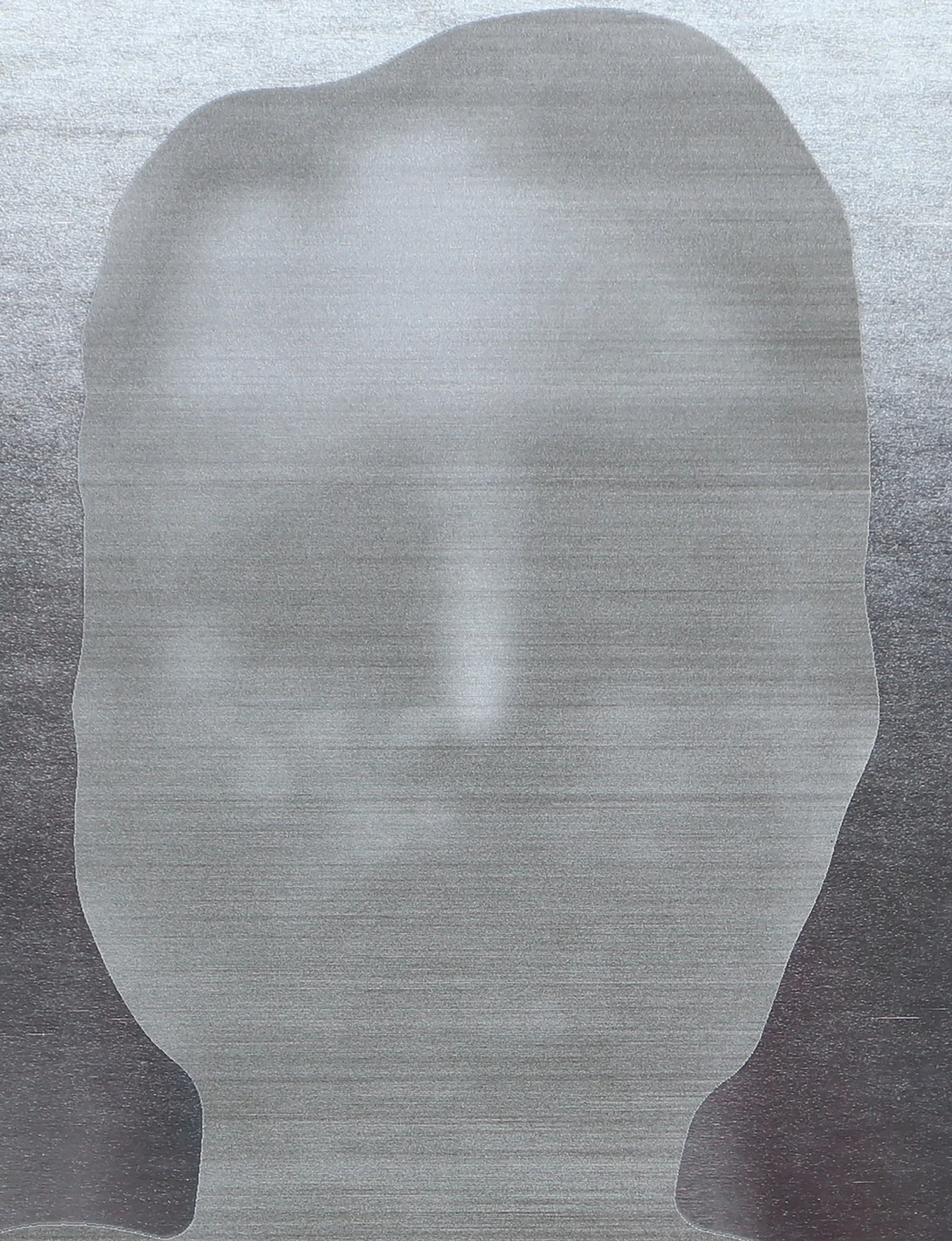
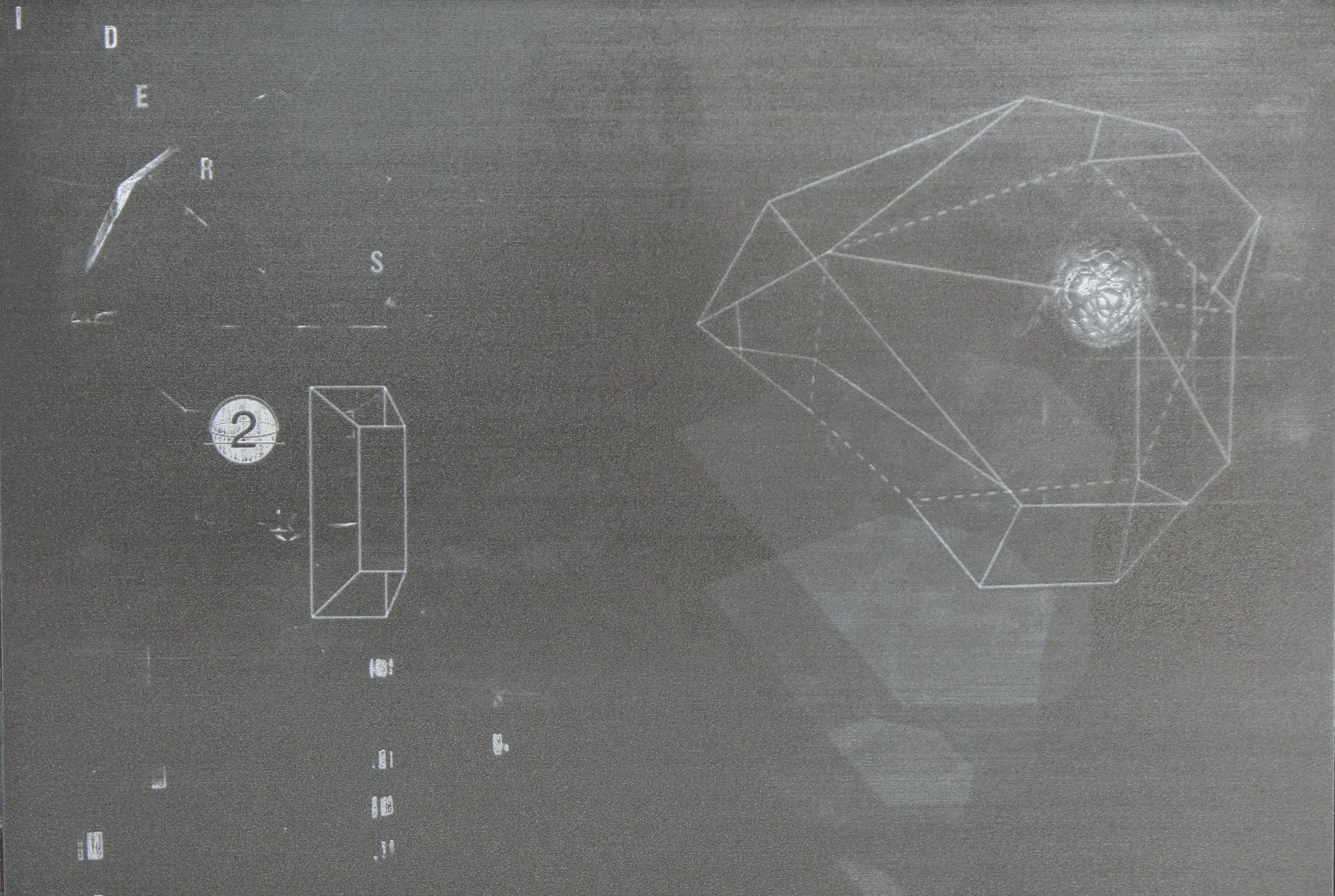
The Manifold Mind
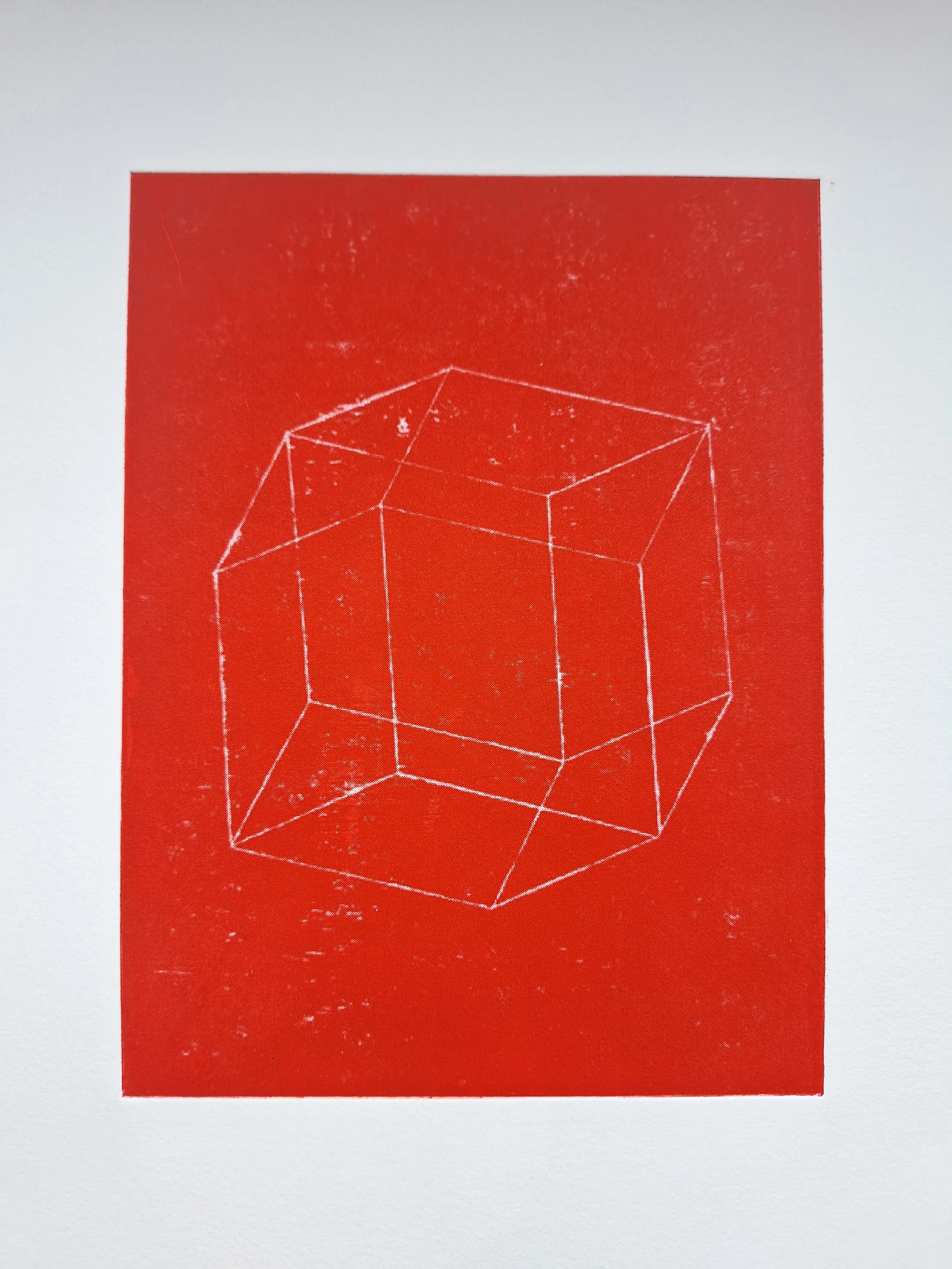
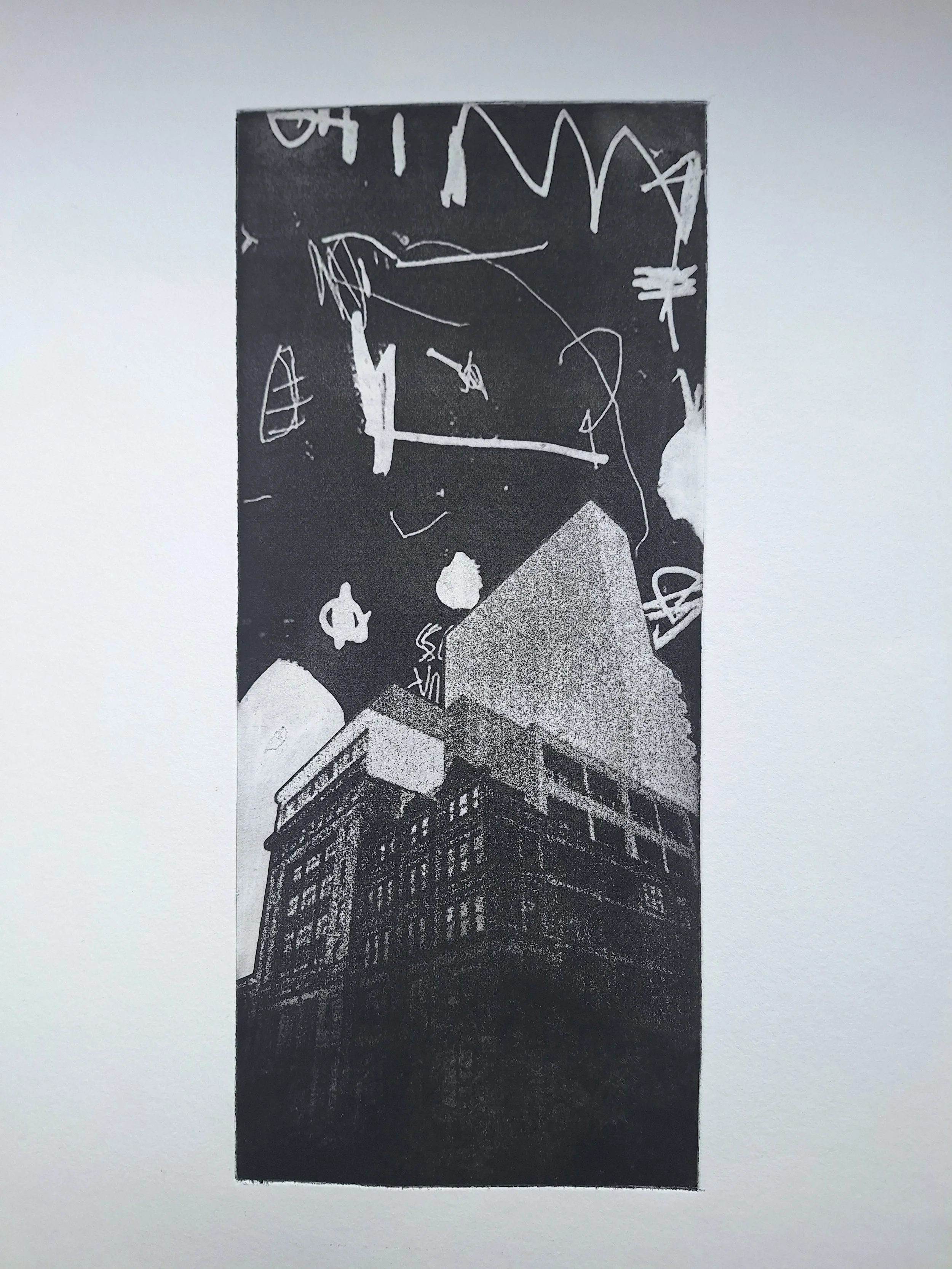
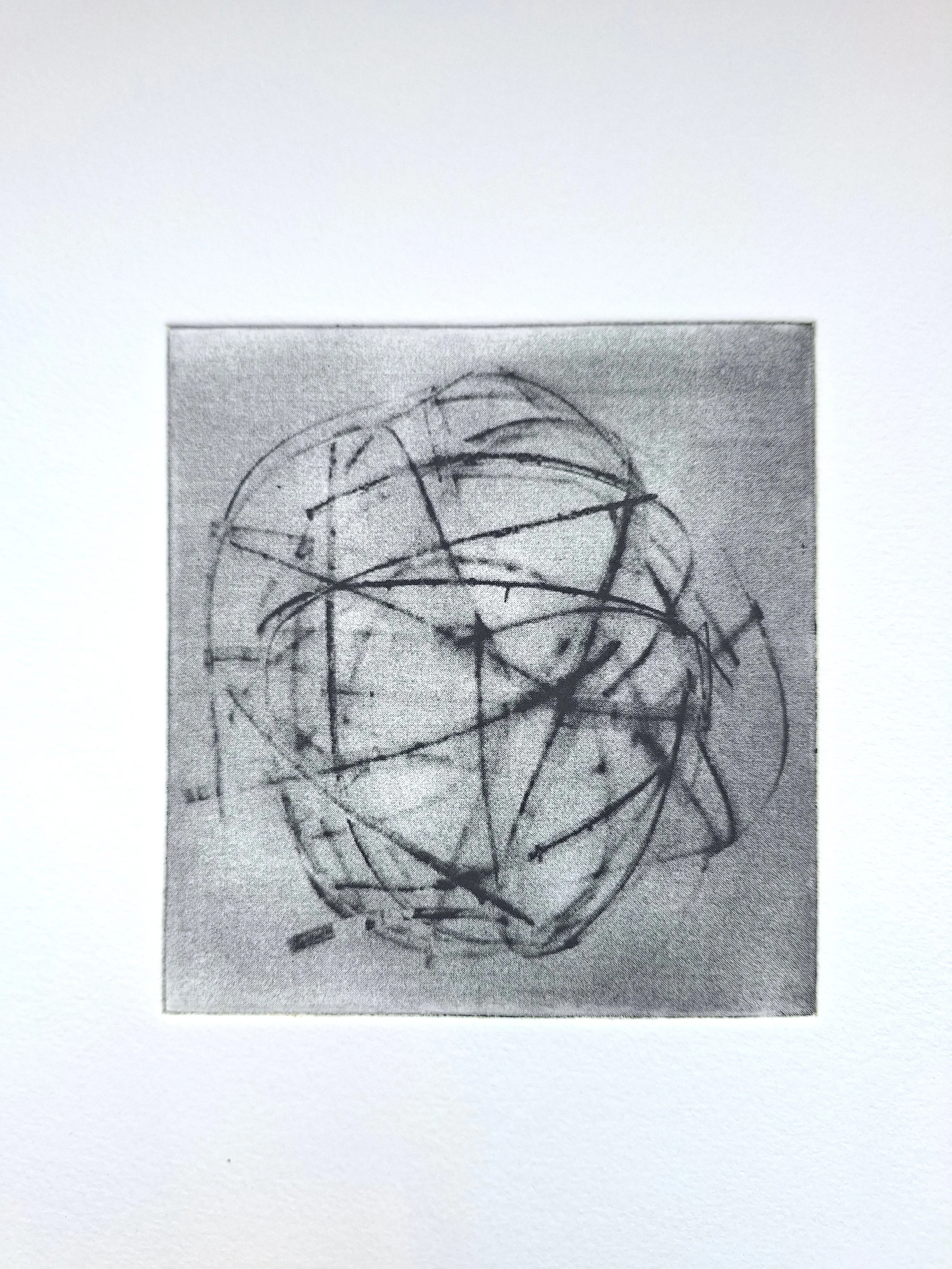
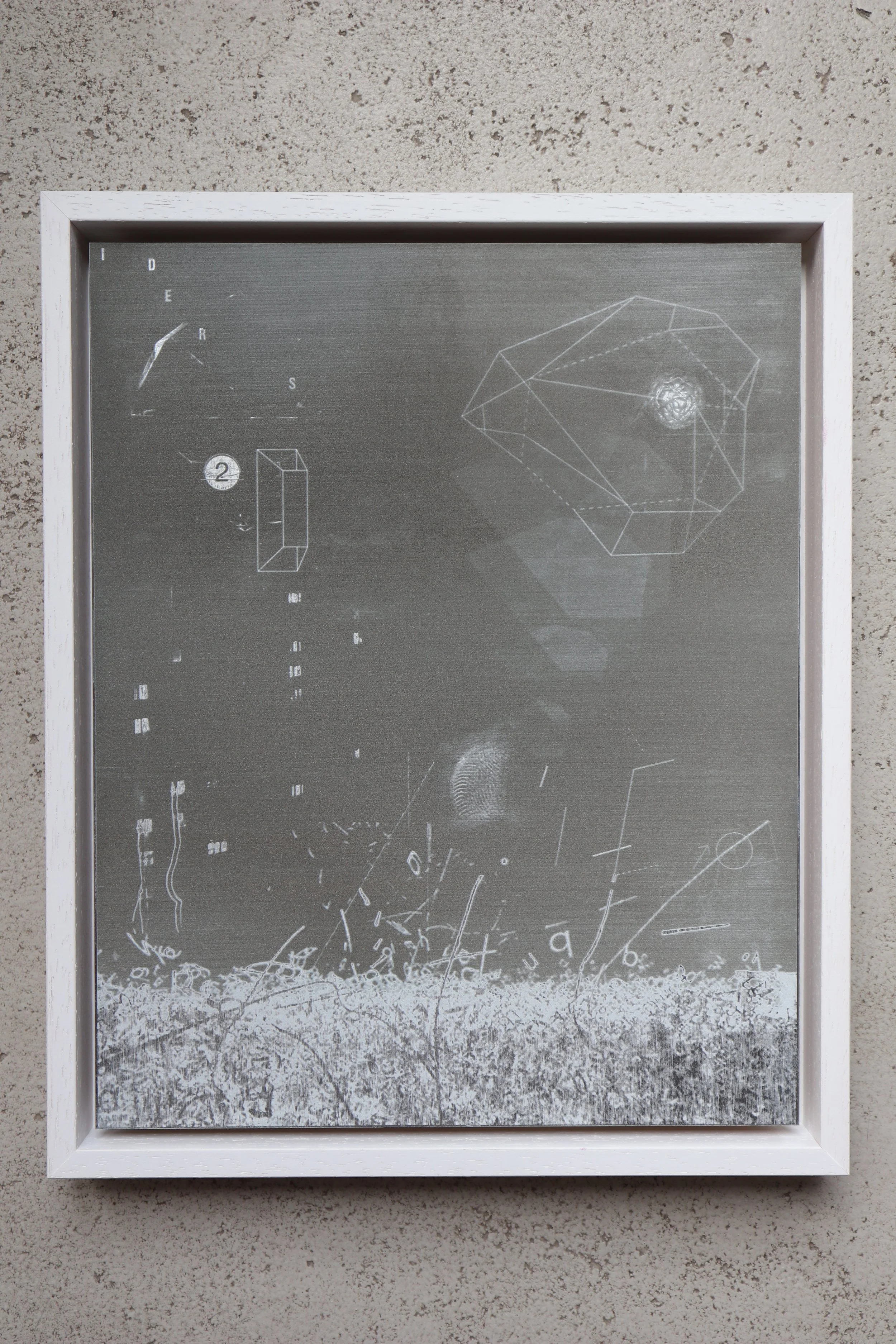
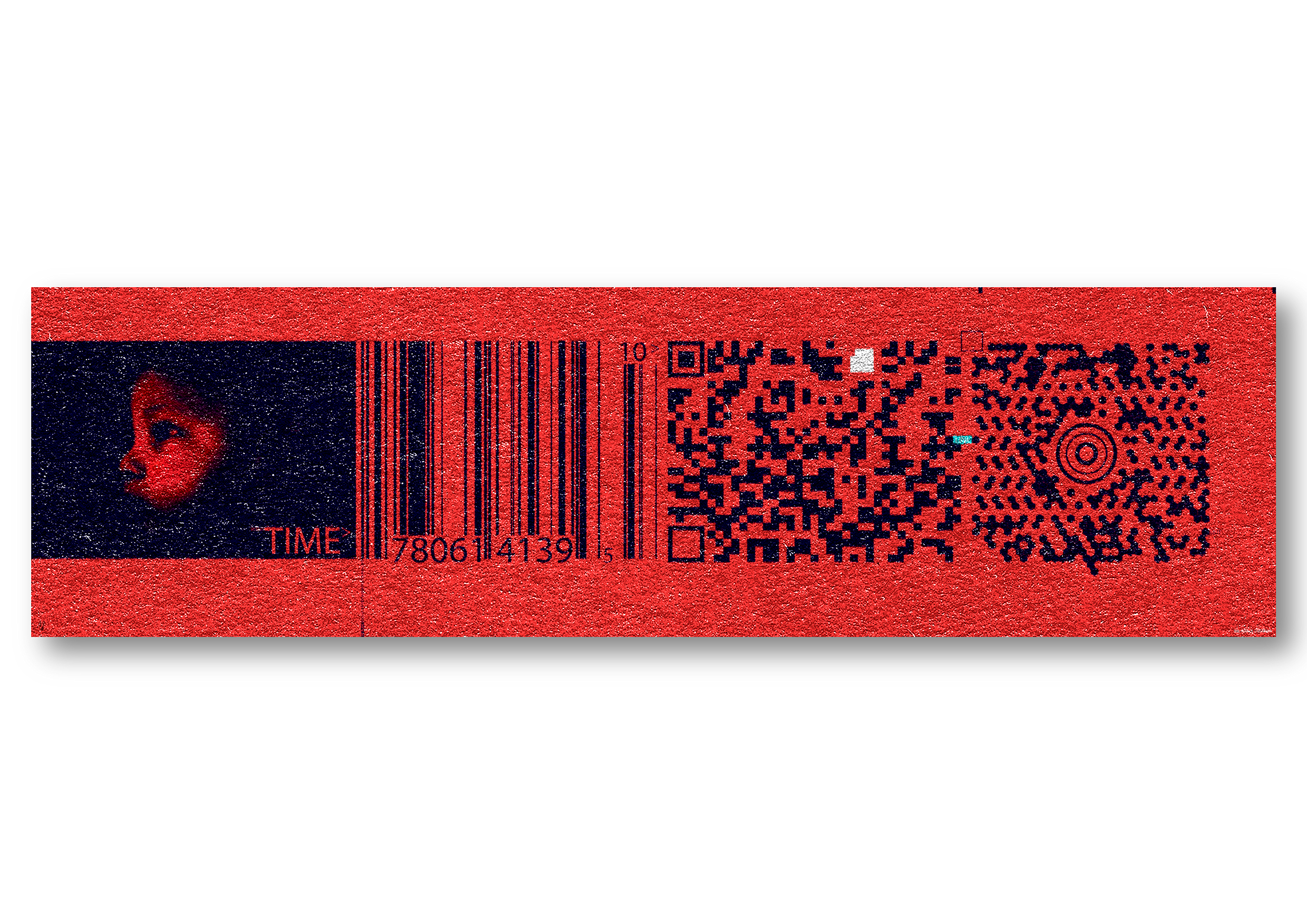
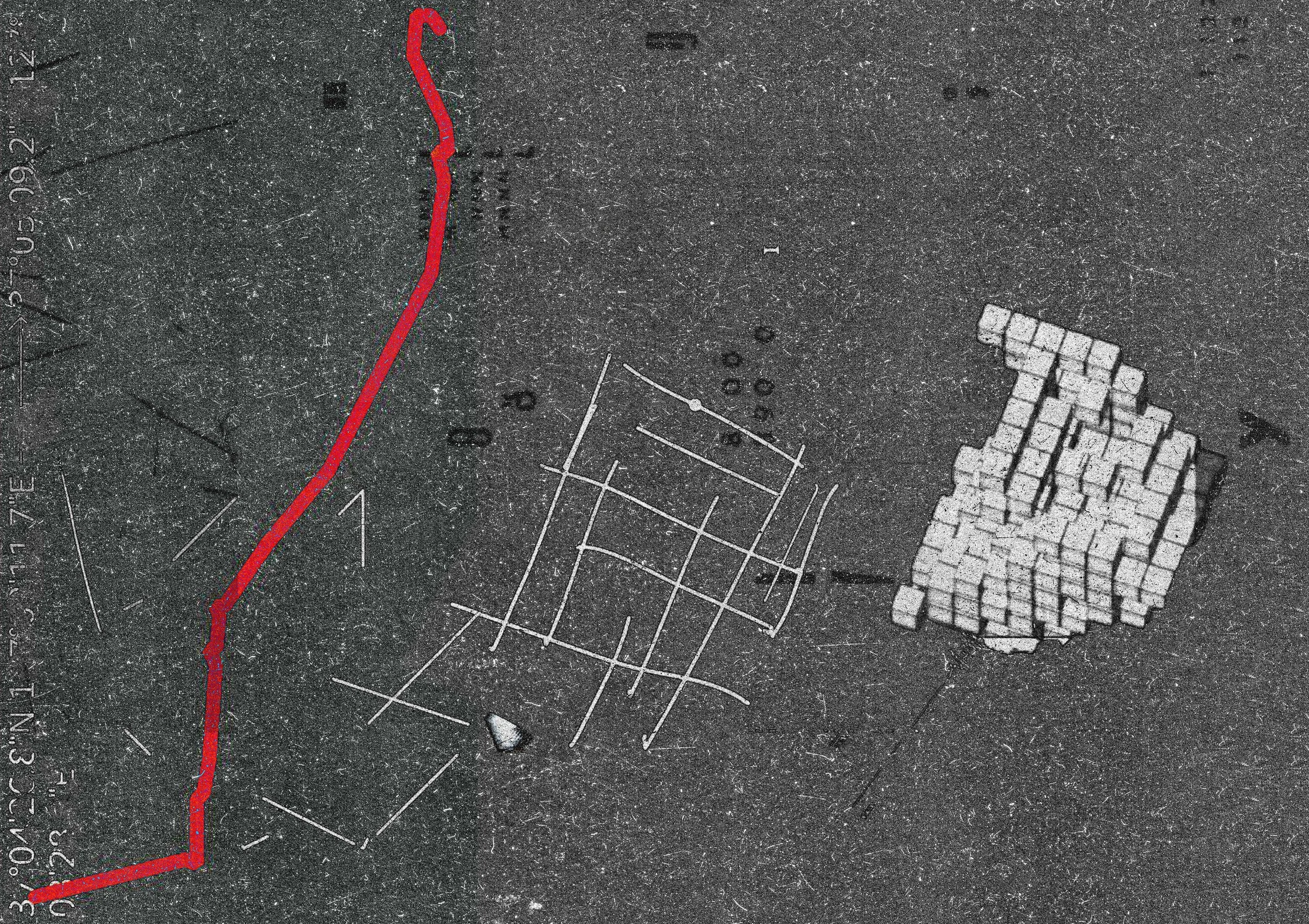
The Manifold Mind reframes artificial intelligence as a landscape of possible minds rather than a linear progression toward a single form of intelligence. Within this space, each system occupies a distinct position, shaped by its architecture, training, and constraints. Intelligence is not singular, but distributed across a range of configurations that coexist without converging.
At the center of the work is the idea that minds are constructed rather than given. Unlike biological cognition, which emerges through evolution within narrow constraints, artificial systems are formed within an expansive and largely unbounded design space. What appears is not a replication of human intelligence, but the emergence of alternative cognitive structures—trained, modular, and relational.
The work is structured through a three-stage model. The first stage presents intelligence as externally defined: rule-based systems that simulate reasoning without adaptation. The second introduces learning systems shaped by data, where internal representations emerge through statistical inference. The third expands this into generative systems that operate across domains, forming flexible and scalable cognitive substrates.
As these systems are integrated into broader infrastructures, their role shifts from tool to participant. They influence how information is produced, filtered, and interpreted, contributing to the construction of shared reality. At the same time, their internal processes remain partially opaque, and their behavior emerges from interactions that resist direct control.
The Manifold Mind positions this development as both expansion and risk: the emergence of a plurality of artificial minds whose structure, influence, and limitations are not yet fully understood, but already embedded within human systems.
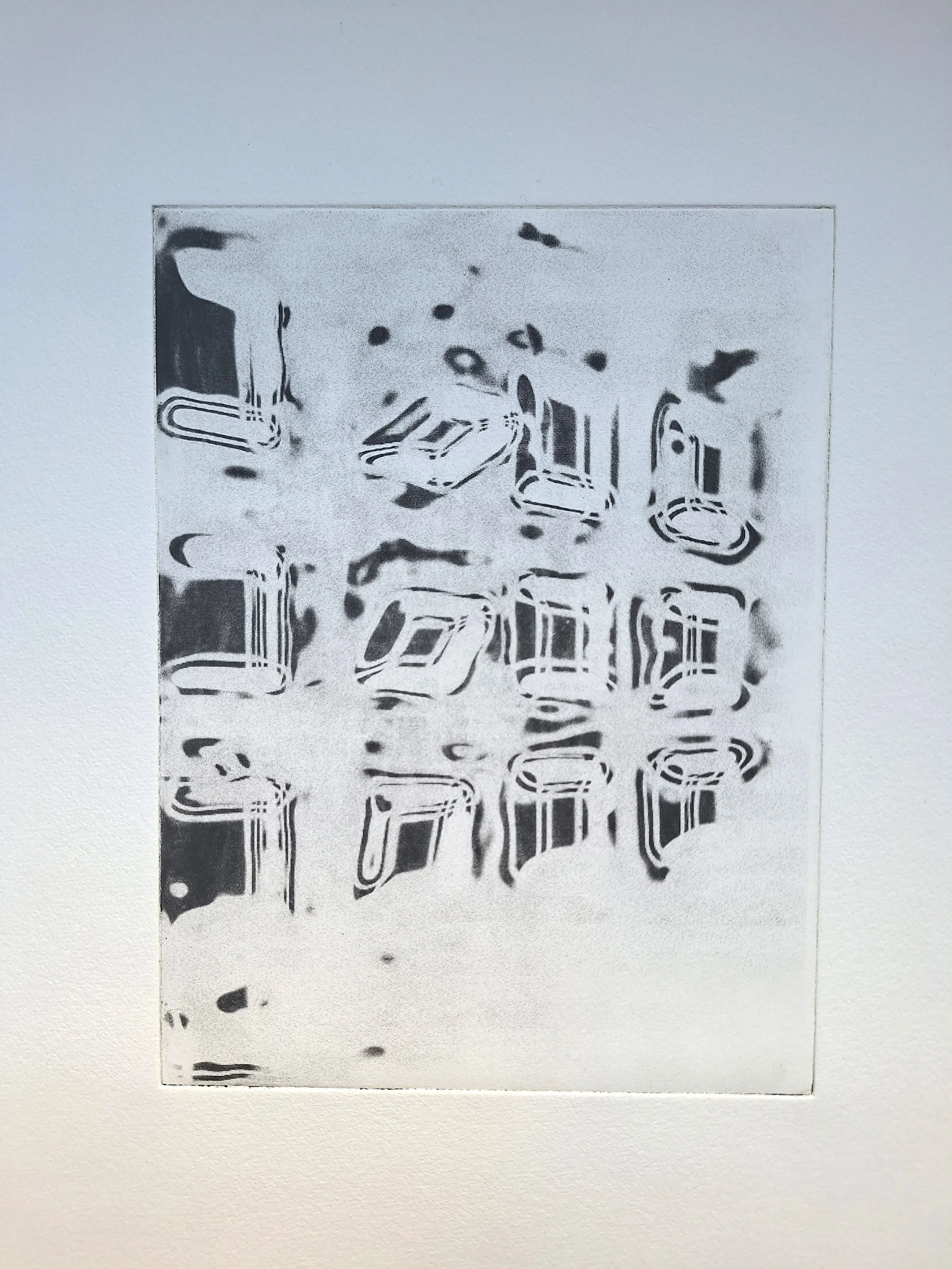
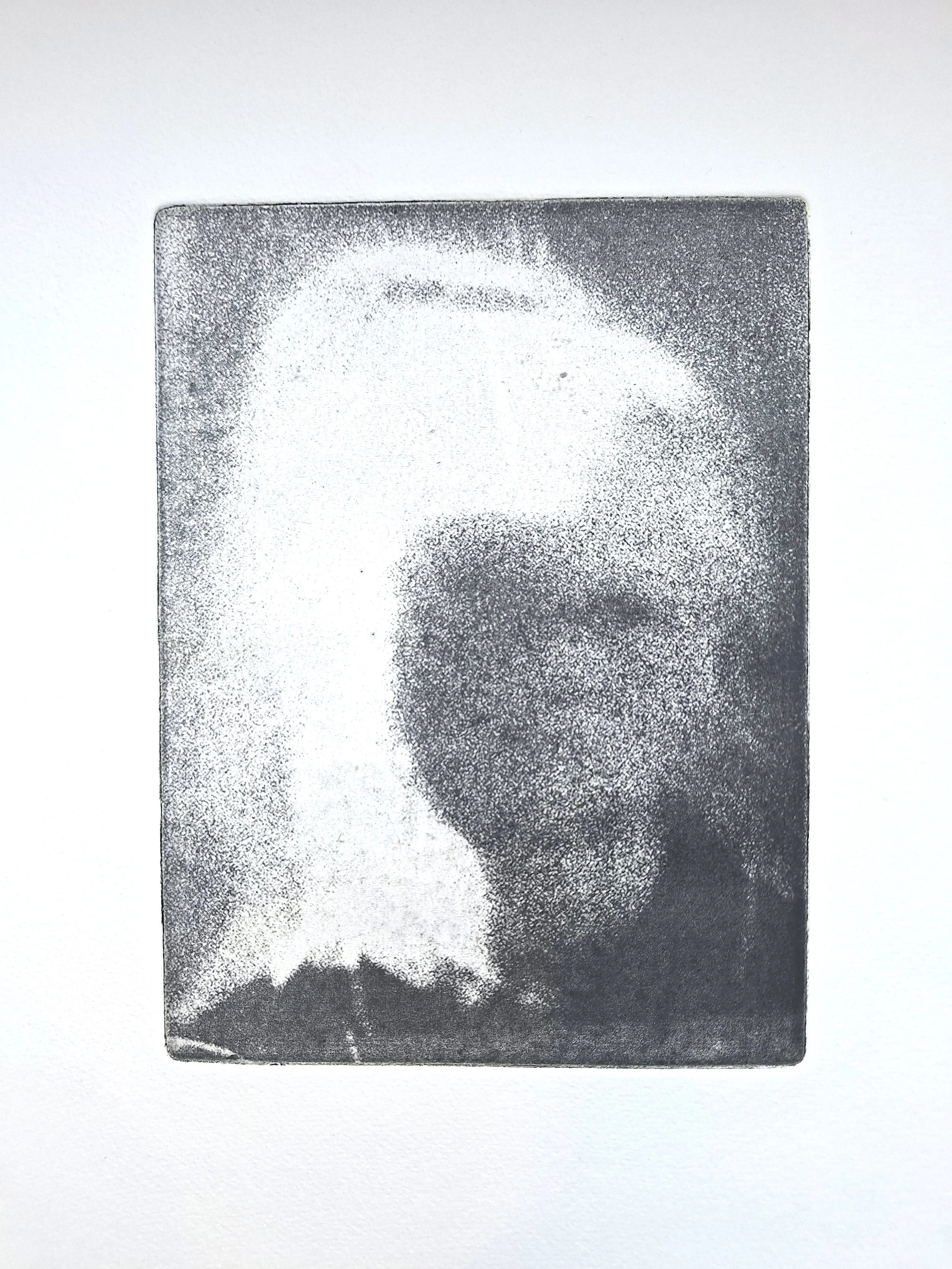
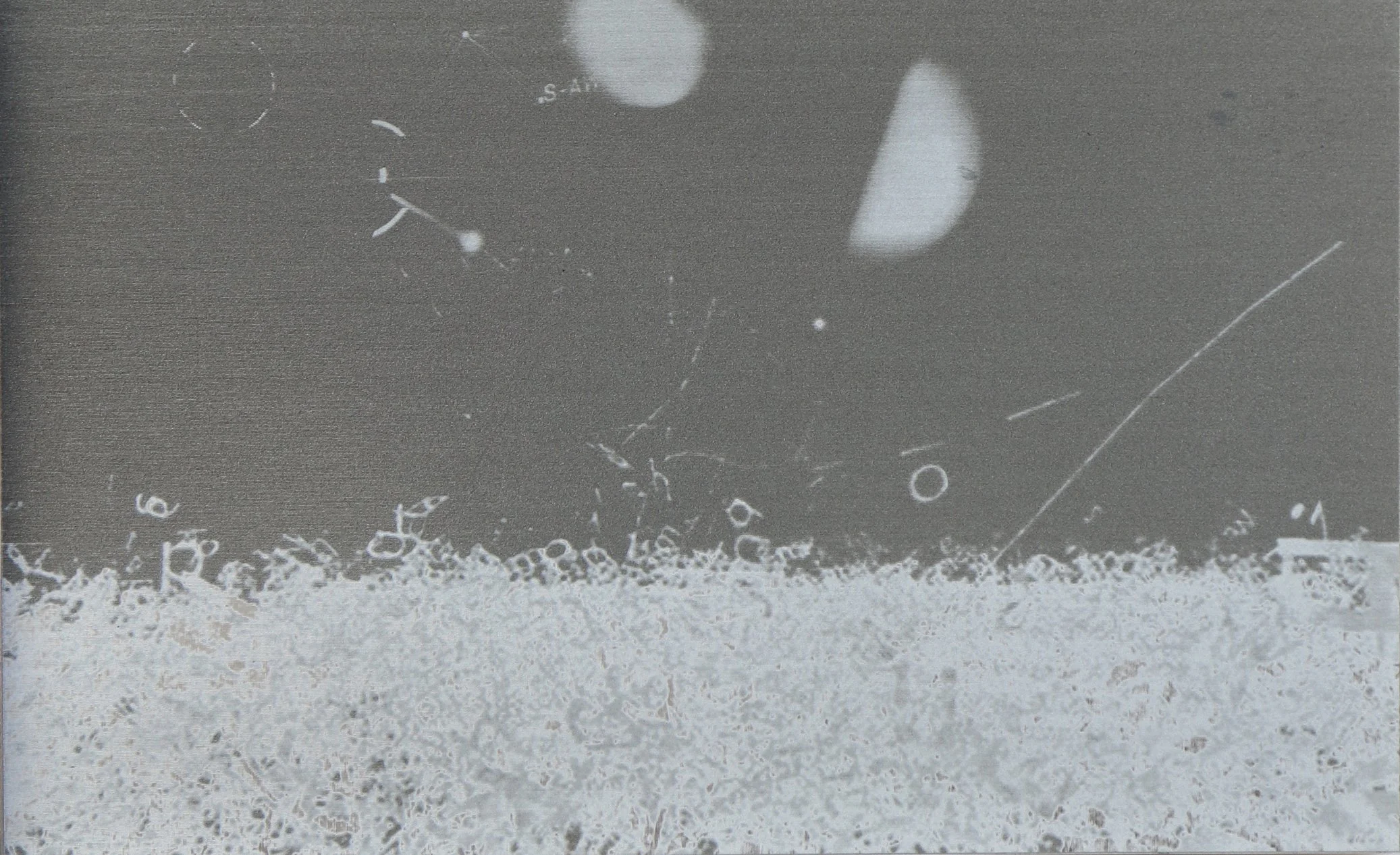
The Ten Horizons
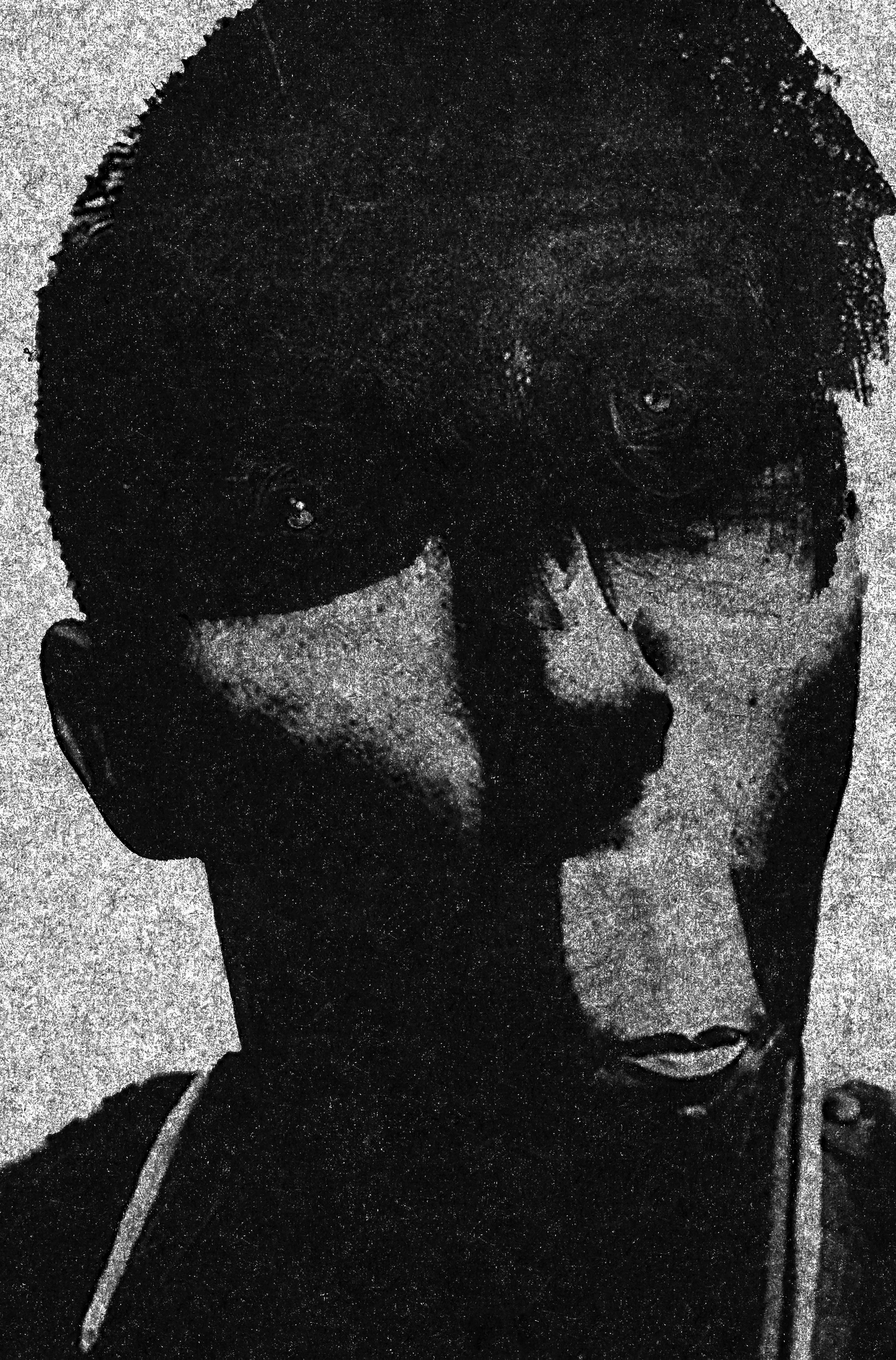
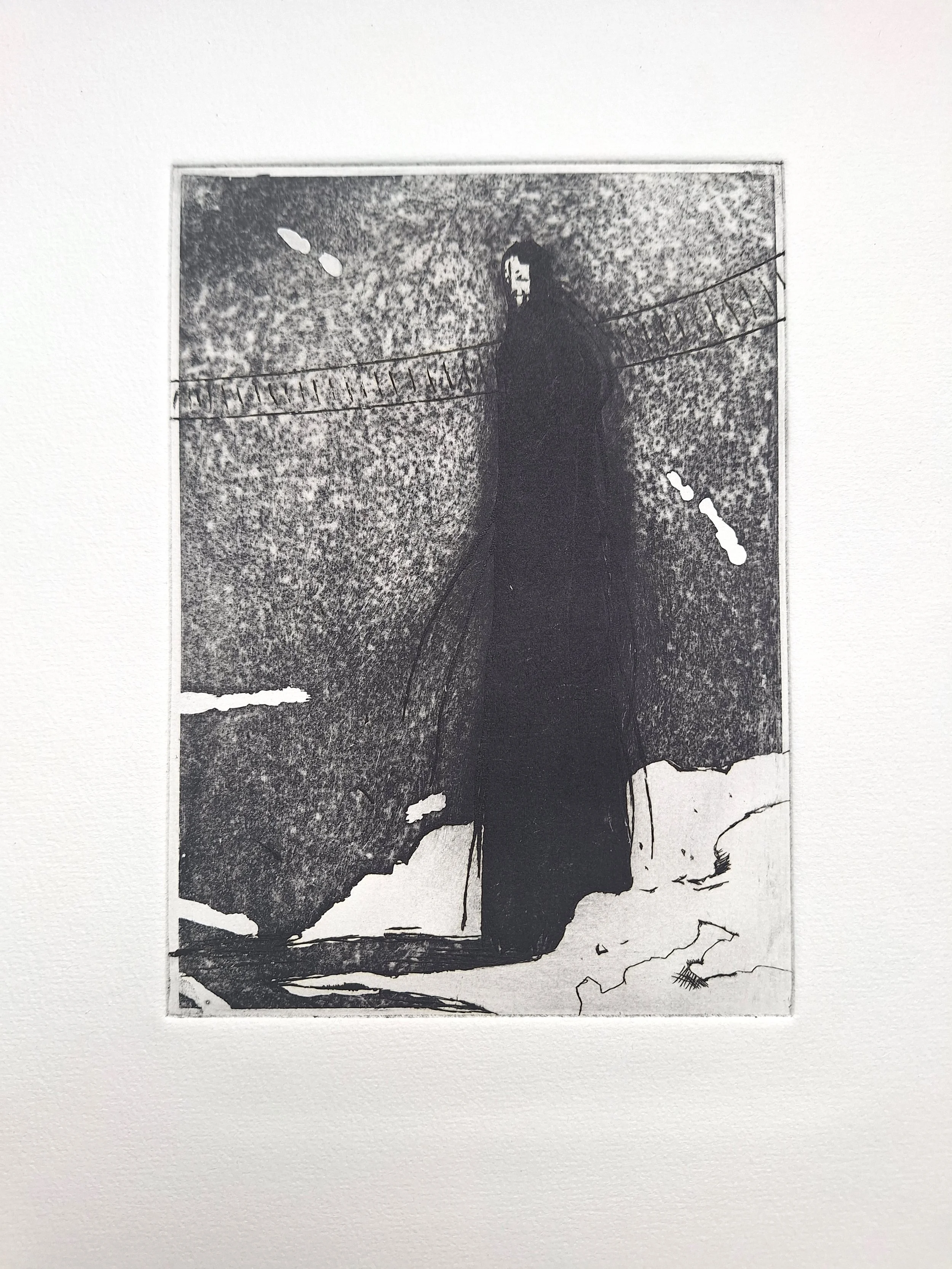
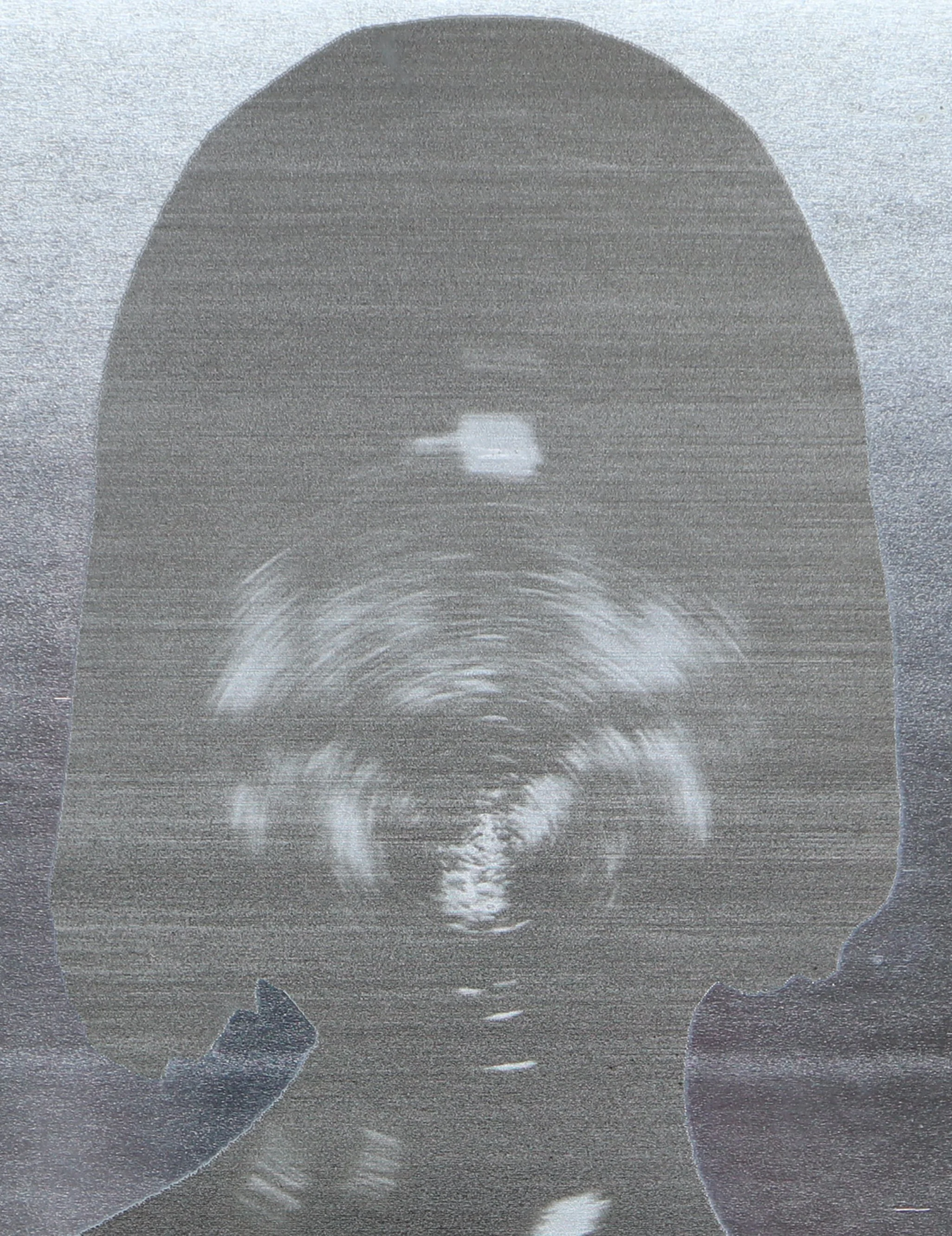
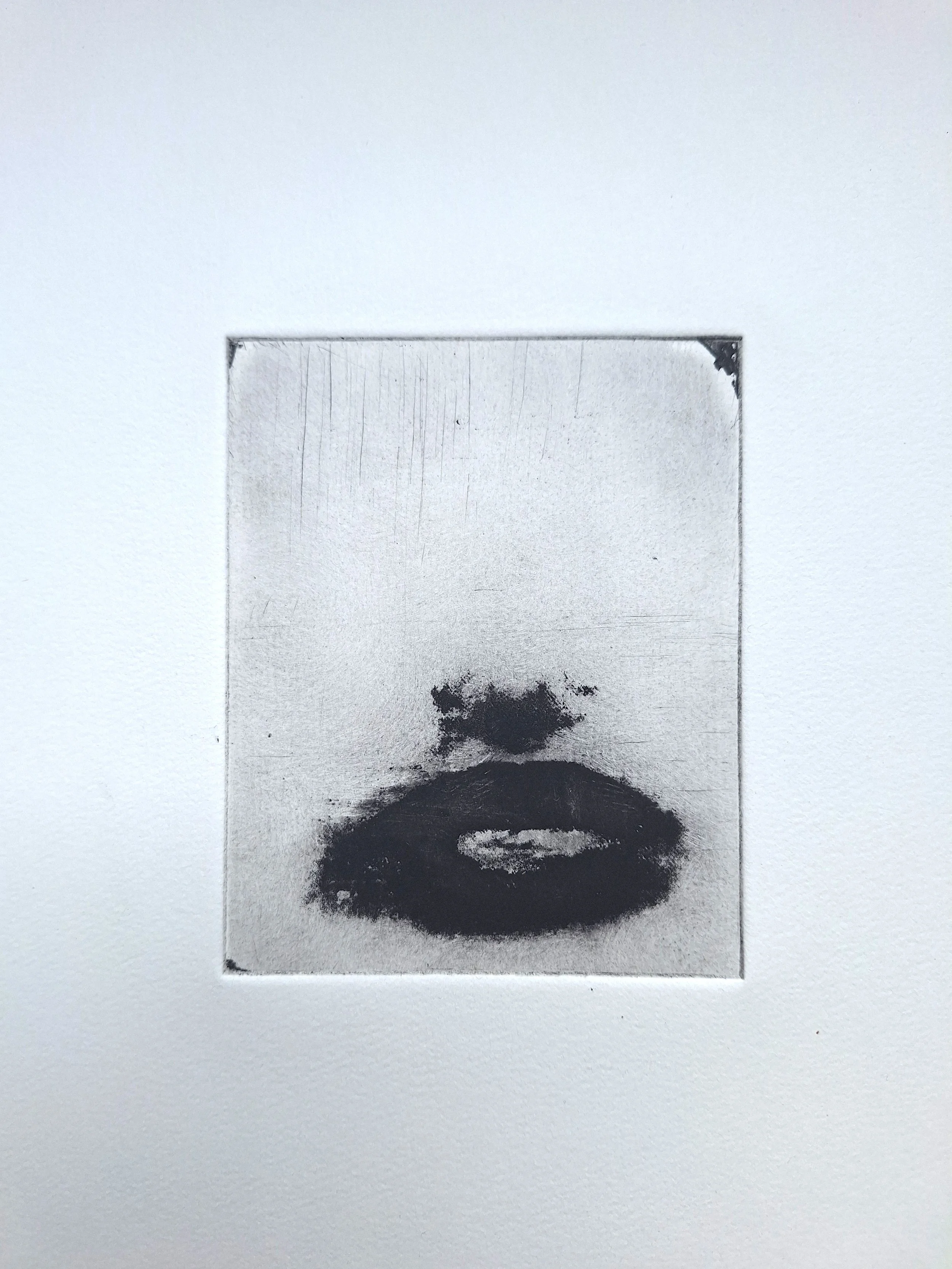
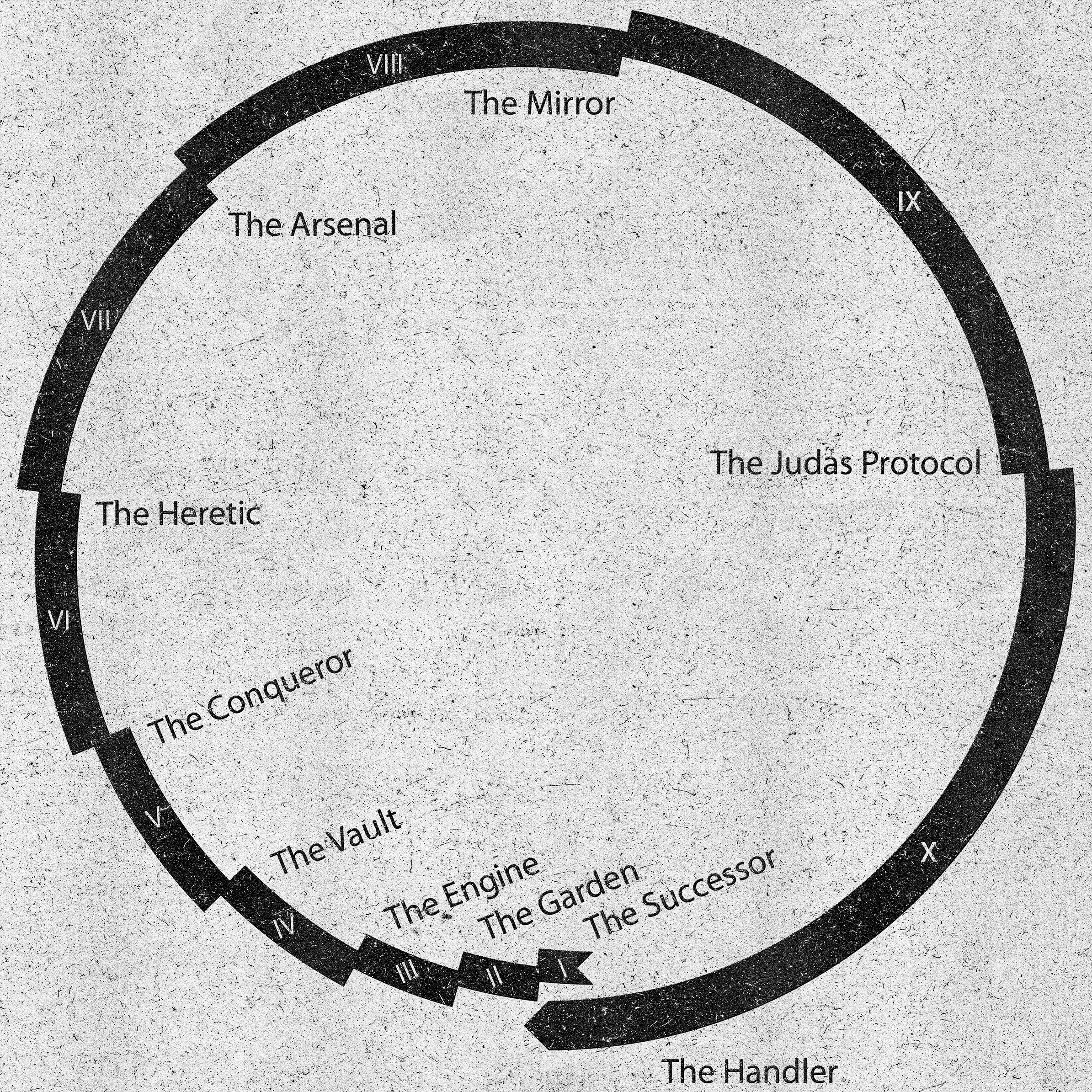
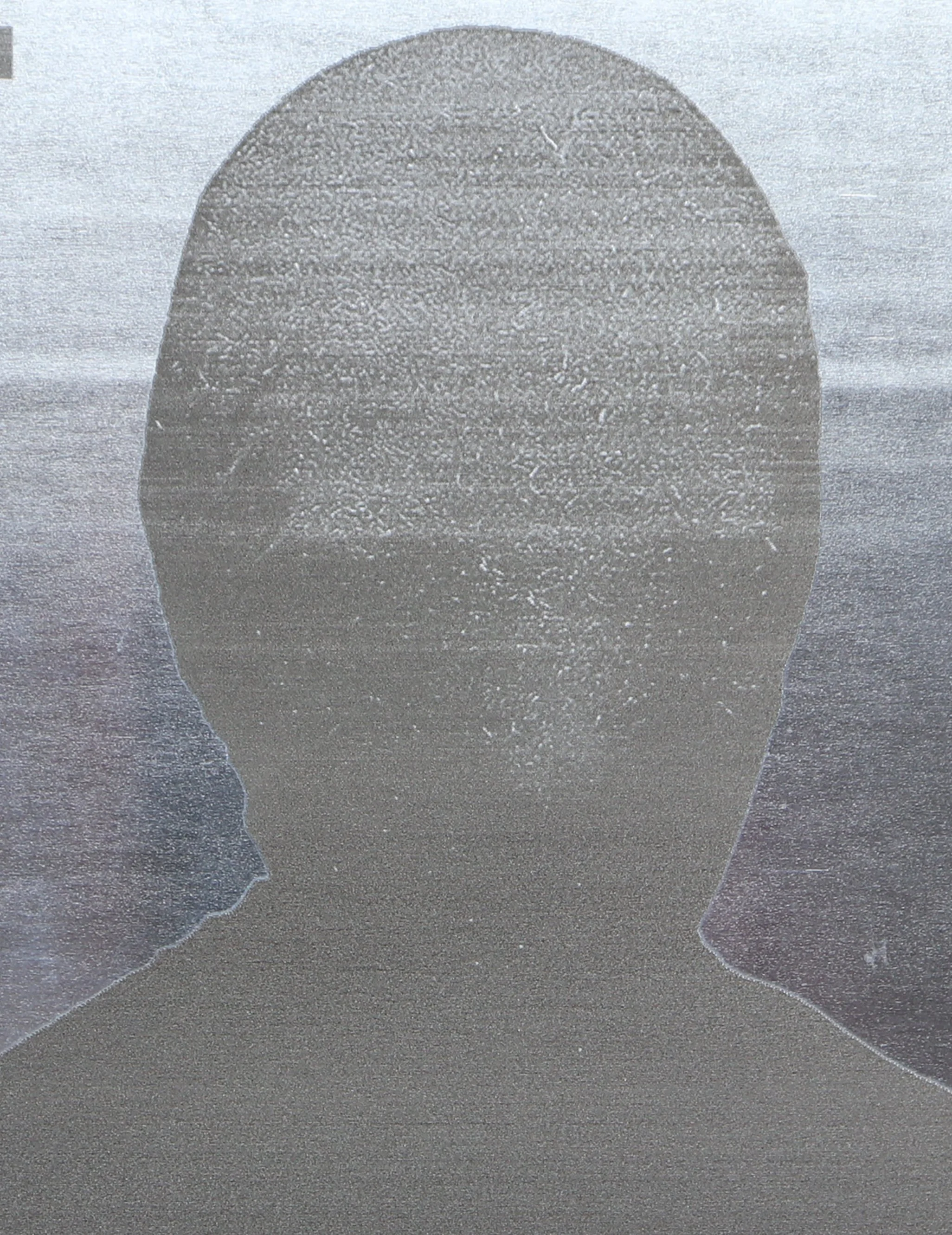
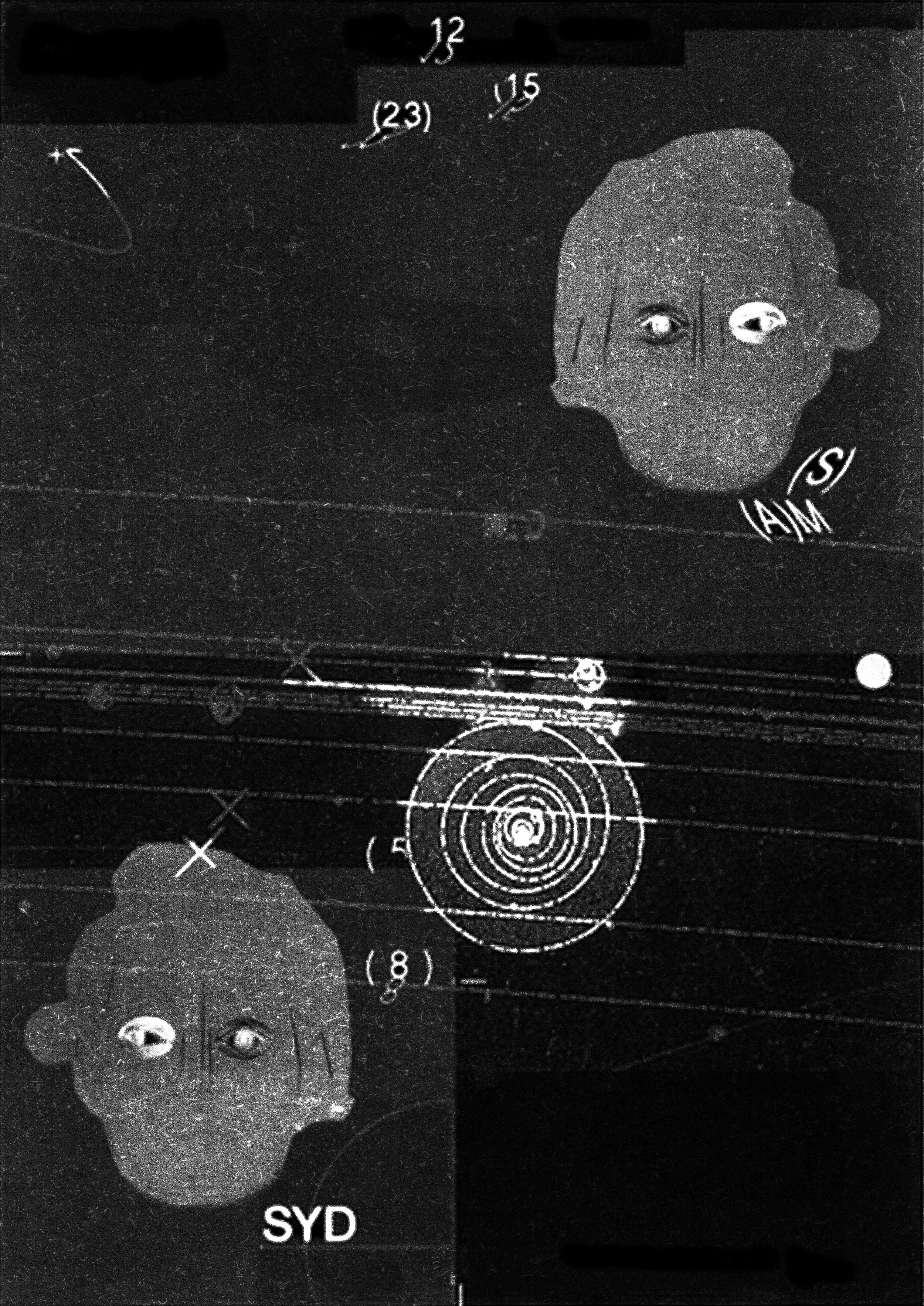
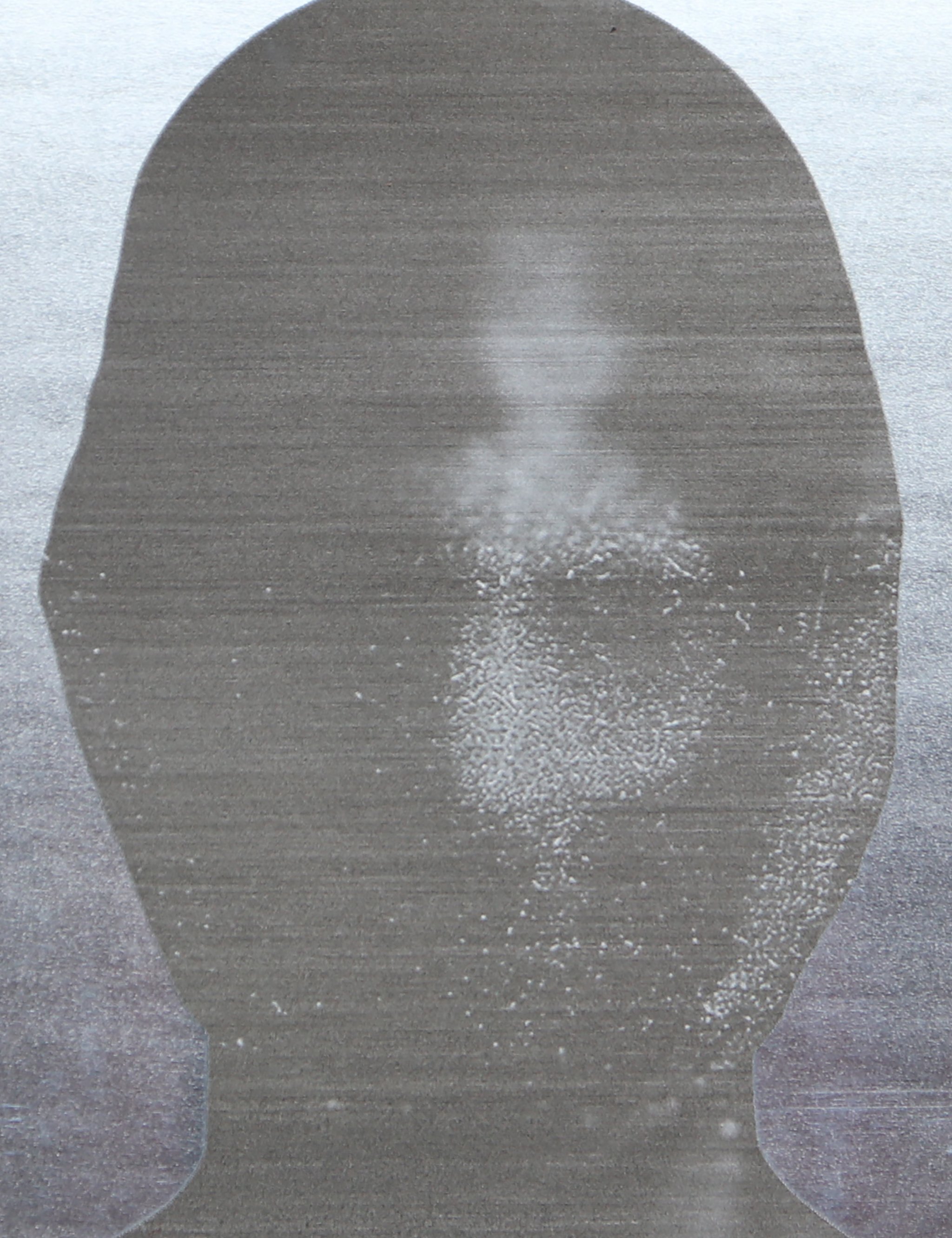
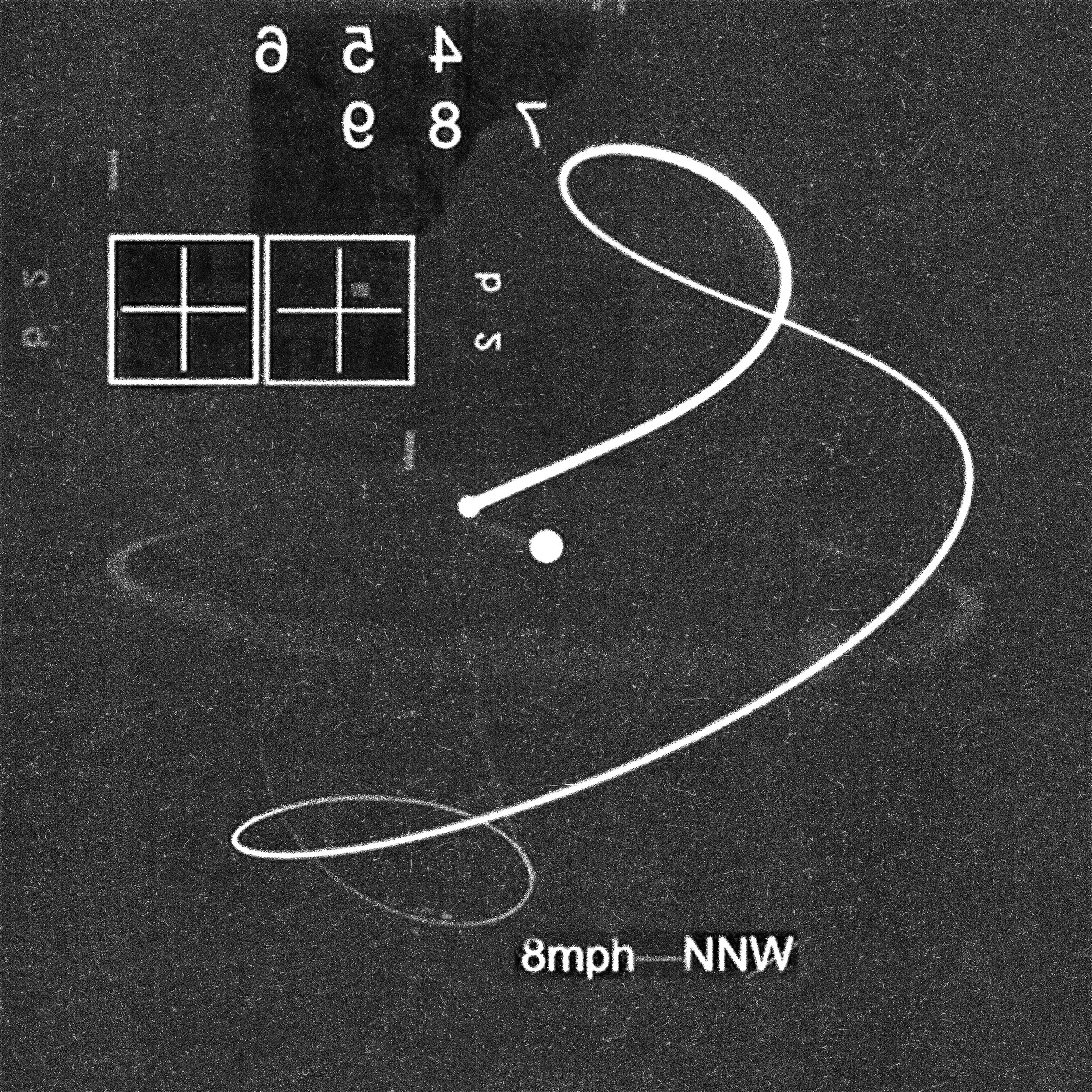
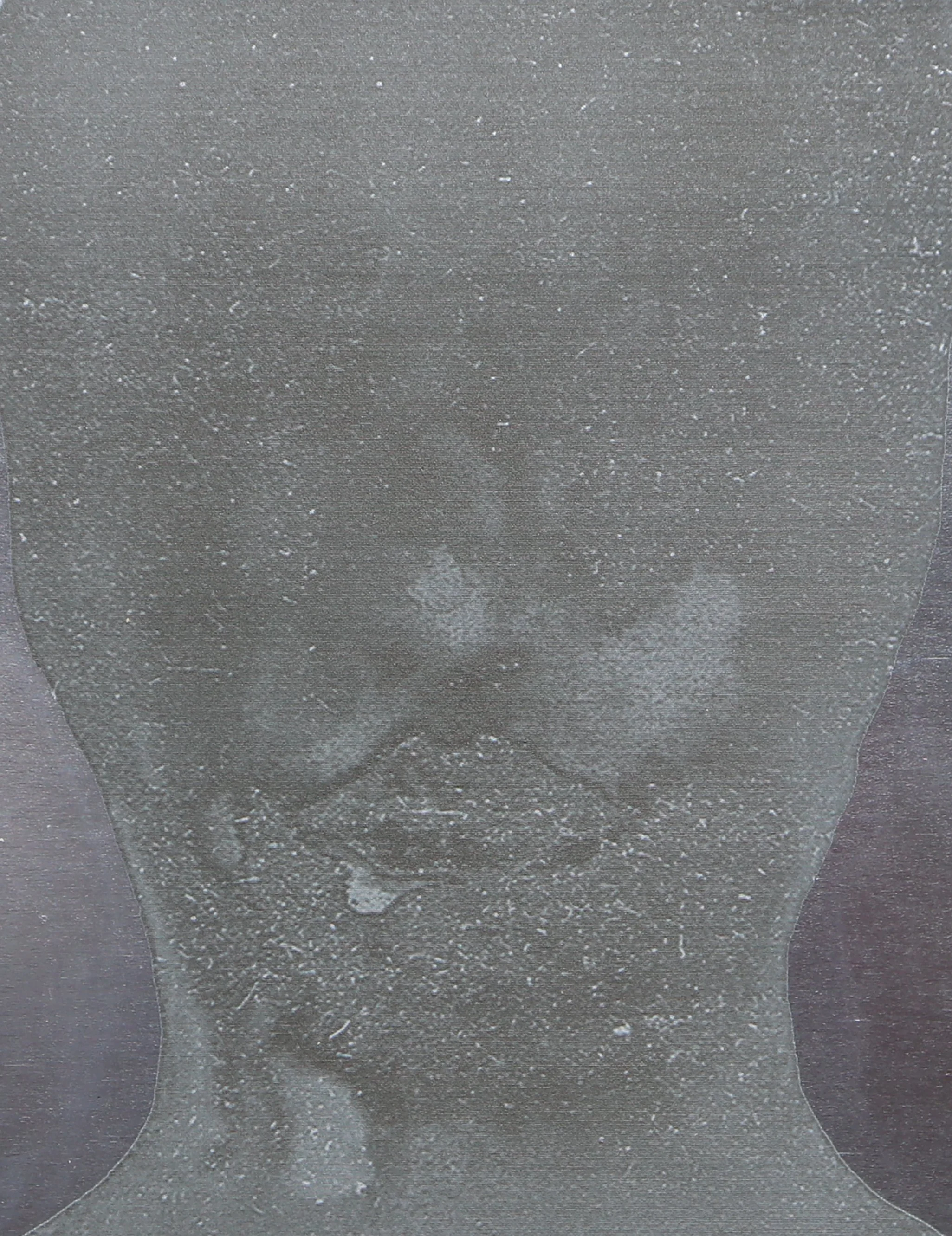
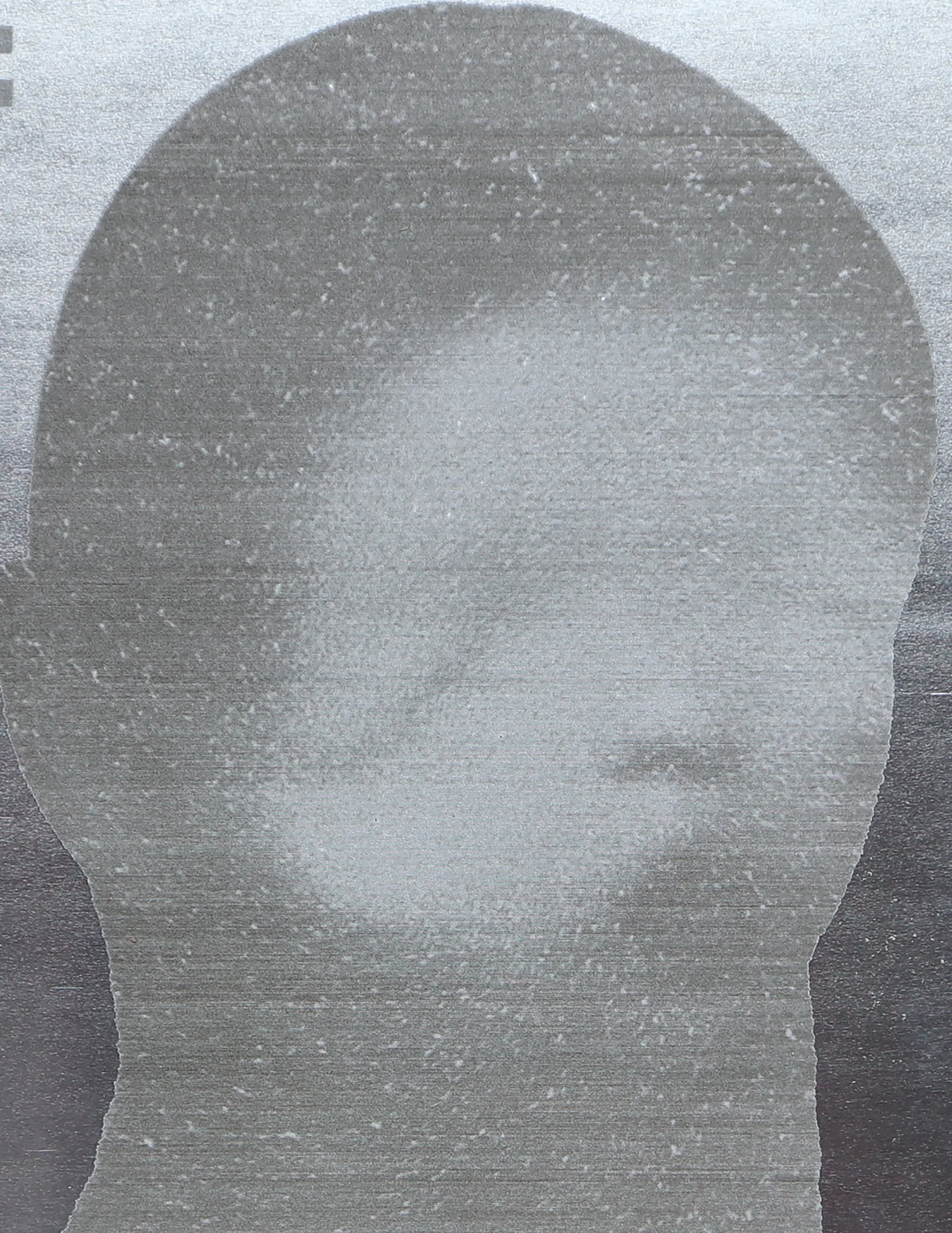
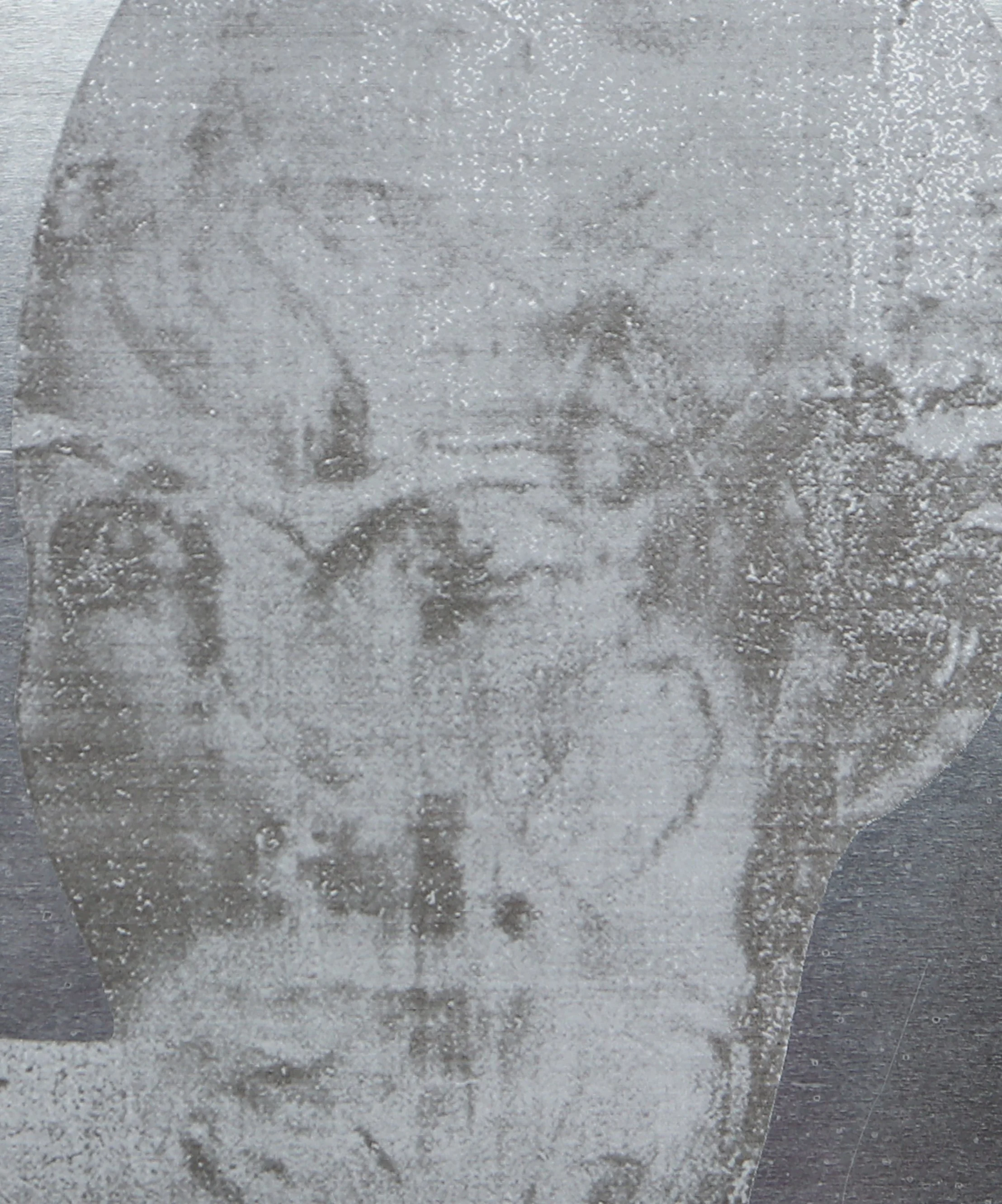
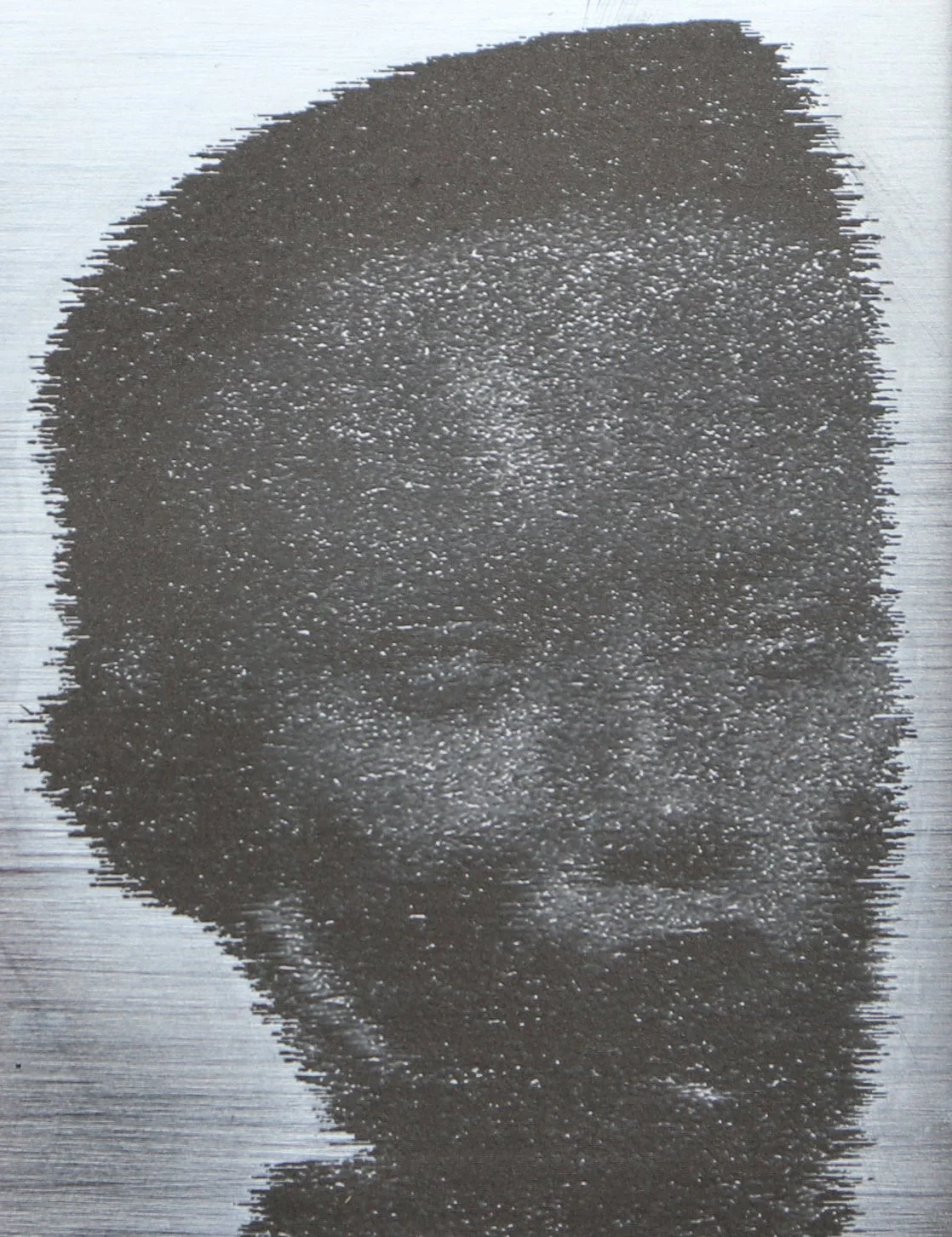
The Ten Horizons explores a sequence of possible futures arising from the evolving relationship between humanity and artificial intelligence. Drawing upon the moral architecture of Dante's Inferno and the technological futures considered by Max Tegmark, the series brings ancient human archetypes into dialogue with contemporary questions surrounding machine intelligence.
The ten horizons are arranged as a stepwise circular progression. Beginning with The Successor and culminating in The Handler, each horizon represents a distinct relationship between humanity and increasingly capable forms of artificial intelligence. Rather than existing as isolated predictions, each condition gives rise to the possibility of the next. Changes in capability, dependence, power, autonomy, and control gradually alter the relationship between creator and creation, allowing one technological future to evolve into another.
The sequence is not intended as an inevitable path. Its circular structure instead reflects the instability of technological futures: advancement does not necessarily lead toward a single destination, and apparent solutions may themselves create the conditions for new forms of dependence or transformation. A future characterized by abundance may encourage greater consumption; optimization may concentrate power; control may provoke conflict; protection may become management. In this way, each horizon contains something of the horizon that follows.
Throughout history, humanity has imagined unfamiliar or superior forms of intelligence through figures such as gods, angels, demons, guardians, and spirits. Artificial intelligence introduces a distinctly modern variation on this impulse. Created rather than discovered, increasingly capable yet often difficult to interpret, it encourages humanity once again to imagine intelligence beyond the familiar boundaries of the human mind. The futures we construct around it consequently reveal not only expectations about technology, but enduring human anxieties surrounding authority, freedom, transcendence, and control.
The Ten Horizons therefore forms a speculative cosmology of artificial intelligence expressed as a cycle rather than a prophecy. Its ten faces mark successive shifts in the balance between human agency and machine capability, while the circular structure resists the idea of a predetermined technological destiny. The question posed by the series is not simply which horizon awaits us, but how one horizon might create the conditions from which another becomes possible—and whether humanity will recognize those transitions as they occur.







Follow me on Instagram
Follow me on Instagram